Underperformance is the issue most SME owners would rather avoid. When an employee starts to slip, the instinct is often: how do we move them on? And I get it, underperformance is frustrating, time-consuming and expensive.
But here is the reality: termination is rarely the cheapest, fastest or safest option. A well-structured Performance Improvement Plan (PIP) usually is. For many SMEs, the real issue is not a performance problem. It is a performance management problem.
Why PIPs work
Clarity improves performance. Most underperformers are not lazy. They are unclear, unsupported or misaligned. A good PIP forces the conversation that should have happened months ago, and often delivers results within weeks.
Replacing employees is expensive. Recruitment, onboarding and training can cost 50 to 150 per cent of an employee’s annual salary, before you factor in lost momentum and team morale. Rehabilitation is often a fraction of the cost.
It builds loyalty and culture. Employees supported through a difficult period often become some of your strongest team members. Your wider team notices when businesses invest in people instead of immediately looking for the exit door.
It protects your business. Whether you are operating under the Small Business Fair Dismissal Code or the standard unfair dismissal regime, a fair and well-documented PIP is one of the strongest protections against unfair dismissal and general protections claims.
A PIP should never be a paper trail for termination
Done properly, it should include clear expectations and measurable goals, realistic timeframes, genuine support and resources, regular documented check-ins, and the employee’s right to a support person at meetings.
If you avoid the hard conversation, you are not protecting your business. You are usually just delaying the cost.
HR Automate members receive access to our full Performance Improvement Plan template suite, warning letters and step-by-step performance management process, all Fair Work compliant and ready to customise.
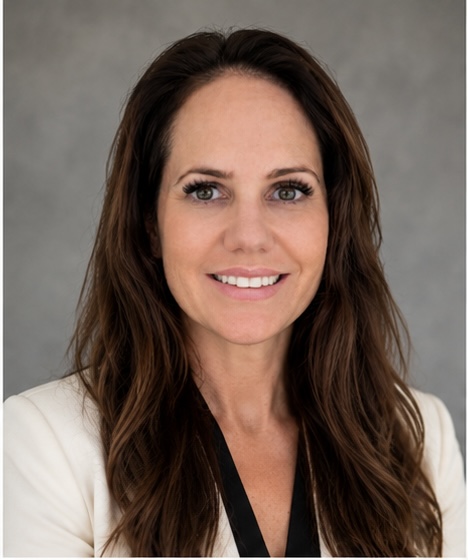
Principal, HR Automate. Senior HR and industrial relations practitioner.